Ontario’s Warehouse-Building Boom: What’s Fueling the Expansion in 2025
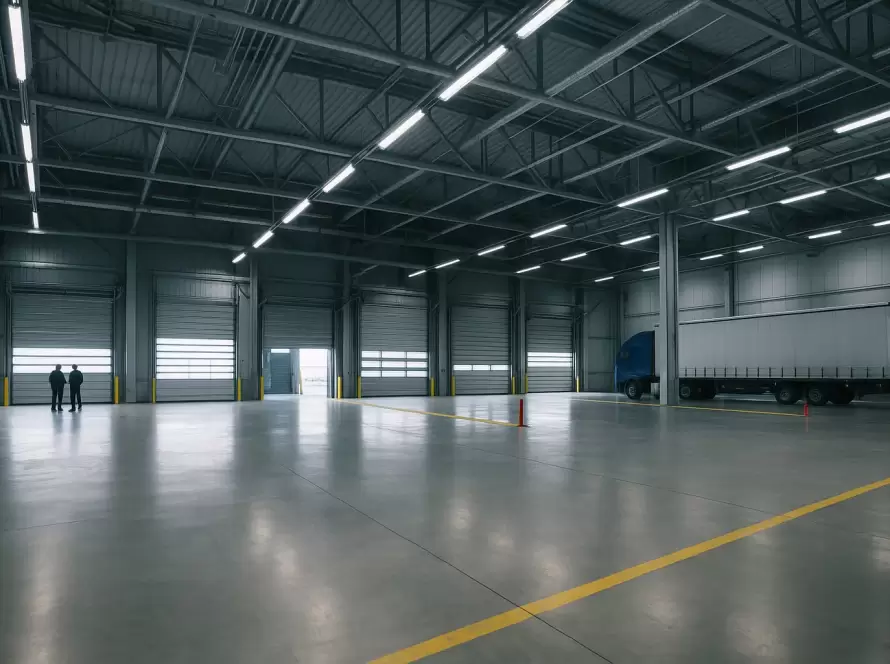
Ever noticed how massive warehouses are popping up all across Ontario? From sprawling fulfillment centers to advanced logistics hubs, the province’s industrial skyline is changing fast. So what’s driving this wave, and what does it mean for businesses, communities, and the supply chain?
Let’s unpack the key forces behind this warehouse-building trend—and why it matters now more than ever.
Driving Forces Behind the Warehouse Build-Out
- E-commerce Growth & Logistics Demand
The rise of online shopping continues to fuel the need for more storage and distribution infrastructure. Ontario, with its large population centers and strong e-commerce networks, is seeing a surge in demand for warehouse space to keep up with rapid delivery expectations Job BankGlenigan.
- Structural Tailwinds & Supply-Chain Reshoring
Global shifts—like reshoring manufacturing operations and diversifying supply chains—have given a powerful boost to construction in the logistics sector. Demand for distribution facilities is up dramatically, signaling strong momentum ahead Glenigan.
- Regional Opportunities & Corrections
Southwestern Ontario, in particular, is catching a wave of activity—thanks to major industrial investments (like VW plants and battery facilities). While some areas like Waterloo are seeing softer leasing markets and declining rents, healthy industrial pipelines continue to bode well for non-residential construction overall CBRE.
Construction Outlook & Forecasts
The Ontario construction sector, especially the non-residential side, is powering forward with few signs of slowing down anytime soon. Capital expenditures in 2025 are significantly up, with long-term projections indicating sustained strength through 2027 and beyond True North Positioning.
However, industry sentiment remains mixed. As many contractors remain optimistic, roughly half expect the same or less work ahead—citing economic and political uncertainties, rising material costs, and labor scarcity as pressing concerns on-sitemag.com+3Ontario Construction News+3Glenigan+3.
What’s Shaping Modern Warehouse Construction
Here’s how today’s warehouses are being built smarter, greener, and more adaptable:
- BIM & Smart Design Tools
Building Information Modeling (BIM) is becoming a foundational tool. From real-time simulations to post-construction performance tracking and predictive maintenance, BIM supports efficiency and accuracy at every stage Warehouse Automation+7TESSIN+7spotwork.co+7.
- Prefab & Modular Construction
Modular and prefabricated elements (e.g., tilt-up panels, precast walls) are gaining ground. They speed up construction, reduce waste, and offer more predictable quality outcomes—a win for developers and the environment alike TESSIN.
- Sustainability Built-In
Green isn’t optional anymore. Warehouses are incorporating:
- Recycled or locally sourced materials
- Solar panels, rainwater harvesting, and energy-efficient fixtures
- Sustainable certification gameplay—even under stricter regulatory scrutiny TESSIN+2spotwork.co+2.
- Flexibility & Future-Proofing
Today’s facilities are agile. With open floor plans, variable ceiling heights, and adaptable layouts, buildings can accommodate changing operations, automation protocols, or expansion—and last longer with evolving needs arxiv.org+10TESSIN+10spotwork.co+10.
- Automation-Ready Spaces
Automation isn’t just trendy—it’s a necessity. Warehouses are being built to support robotics, IoT sensors, and advanced inventory systems that deliver efficiency, visibility, and less reliance on manual labor TESSIN+1.
- Resilience & Structural Safety
Heightened standards in building codes are ensuring that warehouses are durable—even under extreme weather or seismic events. New regulations prioritize structural strength, resilient anchoring, and integrated safety systems Canadian Rack Technologies Inc..
What It Means for Ontario
- Job Creation & Economic Growth
New logistics projects mean more demand for skilled labor—from design and engineering to construction and operations buildforce.ca+2Ontario Construction News+2. - Enhanced Supply Chain Resilience
More warehousing means better stock availability, faster delivery, and stronger capacity to withstand disruptions. - Opportunities for Sustainable Innovation
Builders have a green spotlight to showcase leadership—creating warehouse designs that do good while being durable and efficient. - Navigating Risks
High costs, labor competition, and market volatility keep some project owners cautious. Smart planning and adaptability will be a key edge.
Final Thoughts
Ontario’s warehouse-building boom in 2025 is no flash in the pan—it’s sustained, technology-driven, and shaped by big economic forces. From automation-ready design and modular construction to sustainability and strategic flexibility, the buildings rising today are built to last—and evolve.
Whether you’re a developer, supply chain leader, or industrial planner, now is the time to ride this wave—with eye-opening potential built right into the walls. Let me know if you’d like to zoom into a particular region or explore how policies and zoning shifts might impact logistics real estate next.